
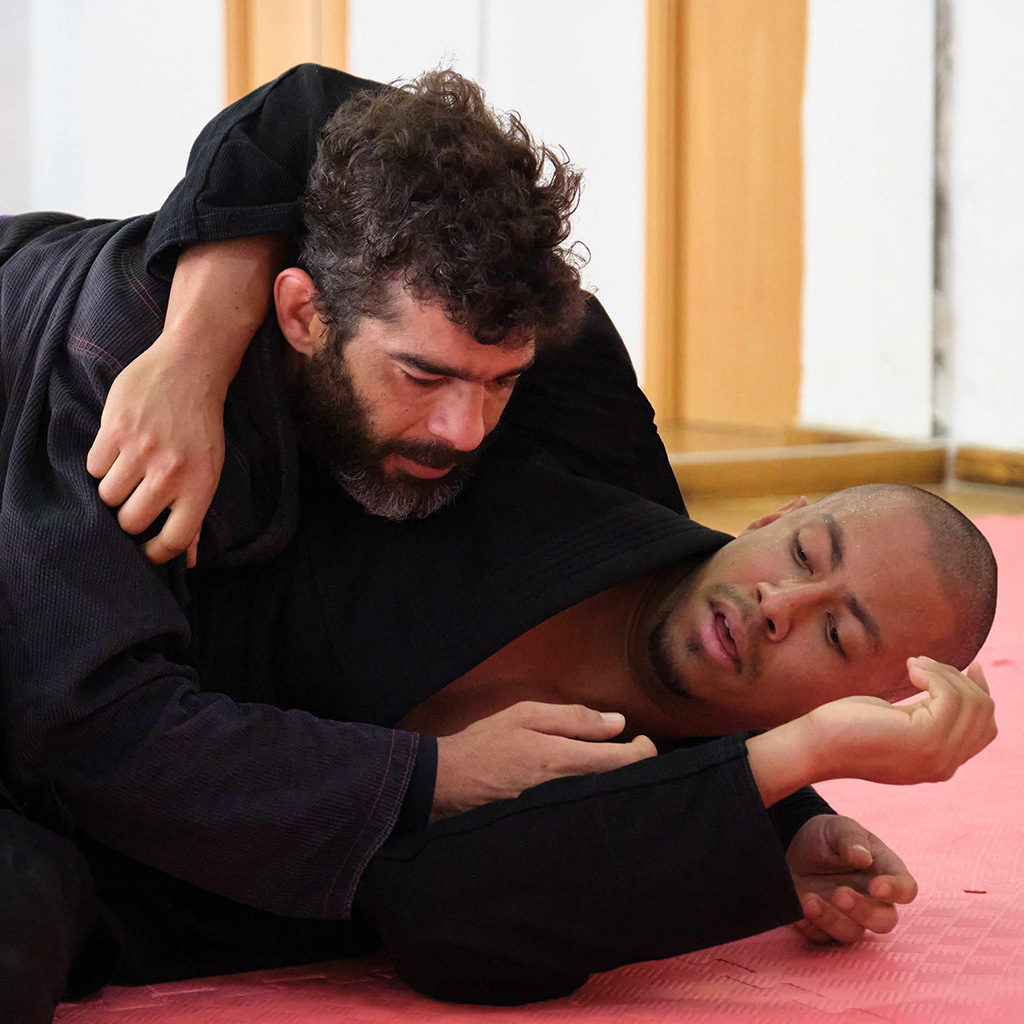



Brazilian Jiu-Jitsu (BJJ) is more than just a martial art—it is a tactical game of leverage, control, and precision. With deep roots in Japanese jujitsu and further refined through the Gracie lineage in Brazil, BJJ has blossomed into one of the most practiced combat sports worldwide. As the sport grows, so do the number of competitions, such as the Hoosier Open, South Bay Open, and the Michigan Open, drawing thousands of practitioners each year to test their skill. To compete effectively, a solid understanding of how matches are scored is essential.
The Framework of BJJ Competition
Matches in Brazilian Jiu-Jitsu are typically divided by belt rank, age, weight class, and experience level. Each division ensures fairness among competitors and allows for a structured comparison of skill. But what truly determines the outcome of a match, apart from a submission, is the point system.
Points Breakdown: What Gets You Ahead
In BJJ, points are awarded based on positional control and progression. The idea is to reward fighters who demonstrate clear dominance over their opponent through effective grappling techniques. Here is the standard point allocation:
- 2 Points: Takedown with control, sweep from guard to top position, knee on belly
- 3 Points: Passing the guard
- 4 Points: Full mount, back control with both hooks in
Each position must be held for at least 3 seconds to be awarded points. If the position is reversed or lost too quickly, the effort is not rewarded. These requirements encourage not just explosive movement but also control and positional mastery.
The Ultimate Goal: Submission
While scoring points can win a match, the preferred method of victory is submission. A submission occurs when a fighter applies a choke or joint lock that causes the opponent to “tap out”—either by physically tapping the mat or the opponent, or verbally submitting. Submissions signify absolute control, leaving no room for doubt about who the superior grappler is. Submitting your opponent ends the match immediately, regardless of the point score.
Penalties and Infractions
Just as there are ways to earn points, there are also ways to lose them. The following actions can lead to point deductions or outright disqualification:
- Biting, scratching, or gouging
- Hair pulling
- Striking (punches, kicks, elbows)
- Grabbing fingers or toes
- Swearing or obscene gestures
- Intentional stalling (refusing to engage)
Infractions are usually met with a verbal warning first. Repeated or serious offenses may result in penalty points, disqualification, or a ban from the competition altogether.
Match Duration: Time Limits by Rank and Age
- Kids (White Belt): 4 minutes
- Adults (White Belt): 5 minutes
- Blue Belt: 6 minutes
- Purple Belt: 7 minutes
- Brown Belt: 8 minutes
- Black Belt: 10 minutes (adults), 6 minutes (seniors)
Victory Conditions Beyond Points
Aside from submission and points, a fighter can win via:
- Disqualification of the opponent
- Referee stoppage (due to injury or safety concerns)
- Opponent forfeiting
- Opponent missing weight or failing to appear
Team Points and Tournament Dynamics
In many tournaments, athletes not only compete for individual accolades but also for their academy’s standing. Points are awarded to the team based on how well their students perform in each division. The combined total can result in a team trophy, giving academies pride and recognition for their training programs.
Gi vs No-Gi: Does It Change the Score?
Whether you are competing in a traditional Gi (kimono) or No-Gi tournament (wearing rash guards and board shorts), the scoring system largely remains the same. However, the gripping techniques and control strategies vary significantly between the two styles.
In Gi competition, grips on the collar, sleeve, and pants are allowed and often used to control the opponent. In No-Gi, gripping is limited to the body, so athletes often rely more on underhooks, overhooks, and wrist control.
Preparation: How to Maximize Your Points
To consistently score in BJJ matches, athletes must train for more than just submissions. Developing a strategy to pass guard, maintain mount, and secure back control are just as important. Key areas to focus on include:
- Drilling takedowns and sweeps
- Practicing guard passing with timing and pressure
- Transitioning smoothly between positions
- Holding dominant positions under pressure
- Sparring with teammates of various styles
Mental Preparation and Strategy
Scoring in Brazilian Jiu-Jitsu isn’t just physical—it’s mental. Competitors must know how to manage time, pace themselves, and read their opponent’s strategy. An experienced grappler may bait an opponent into a sweep just to set up a counter. Others may prioritize passing the guard early to gain a lead and defend their way to victory.
Understanding the flow of a match and when to take risks or play conservatively is an often-overlooked aspect of competition. The best fighters balance aggression with strategy, always aware of how to shift the score in their favor.
Conclusion: Scoring Is an Extension of Strategy
Scoring in Brazilian Jiu-Jitsu is not just about tallying points—it’s about understanding leverage, control, and the art of progression. Whether through precise sweeps, masterful guard passes, or fight-ending submissions, every movement counts.
Knowing the scoring system allows athletes to play the game smarter. Whether you win by a single sweep or dominate with a series of transitions, your journey in BJJ is one of constant refinement.
So train with purpose, compete with intelligence, and respect the art. Because in Jiu-Jitsu, every position is a battle, and every point is earned.
OSS.