
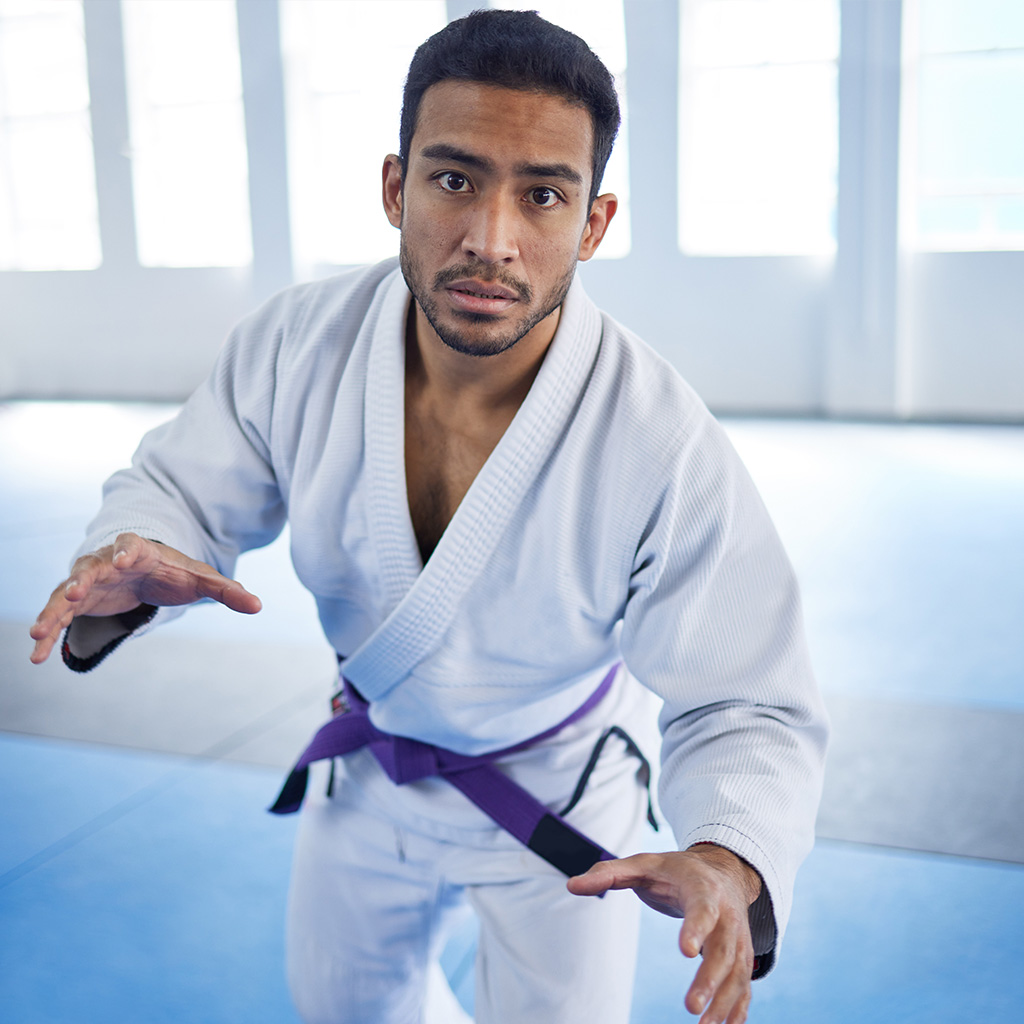



Brazilian Jiu-Jitsu is not merely a sport. It is a way of life—an evolving art form that demands discipline, humility, and respect both on and off the mat. For over five decades, this combat discipline has cultivated warriors of mind and body. Since its explosive rise in popularity during the 1990s, dojos around the world have opened their doors to students seeking more than just physical strength—they seek growth, community, and wisdom.
But before any student can begin to master armbars, sweeps, or submissions, they must first master themselves. That journey begins with learning—and living by—the rules of the dojo.
🥋 Proper Attire: Respect the Uniform
Every student must arrive at the dojo in clean, appropriate attire. The standard uniform, or gi, is not optional. It represents a student’s commitment to the art and their respect for the training space. For newcomers who have yet to acquire a gi, a fitted T-shirt and athletic pants or shorts may suffice temporarily—but obtaining a gi should be a top priority.
The gi is more than fabric. It is a symbol of identity, of readiness, and of alignment with BJJ’s traditions. A clean gi also shows care for one’s training partners. Dirty attire is unacceptable and considered disrespectful.
💧 Stay Hydrated and Hygienic
Regardless of the dojo’s temperature, BJJ is a demanding and sweaty pursuit. Students are expected to bring water and a towel to every session. Staying hydrated ensures optimal performance and prevents fatigue. The towel serves both personal hygiene and partner courtesy.
A dojo thrives on shared responsibility. Hygiene is part of that responsibility.
🧑🏫 Addressing the Instructor and Peers
Inside the dojo, the instructor is always addressed as Sensei—a Japanese term meaning “one who has gone before.” This title isn’t about hierarchy for its own sake. It’s a recognition of experience and the sacred student-teacher relationship. Outside the dojo, casual conversation may resume, but within the walls of the training hall, decorum is essential.
Senior students, especially those of higher rank, should be addressed respectfully, often with “Sir” or “Ma’am.” Formalities help maintain structure and unity.
🙇 The Ritual of the Bow
Bowing is a fundamental gesture of respect in Brazilian Jiu-Jitsu. It is performed:
- Upon entering and exiting the dojo
- Before and after sparring
- At the start and end of class
The bow is done with the feet together, hands placed on the thighs, and the upper body gently bent forward. When directed toward another person, it is essential to maintain eye contact—this signifies awareness and presence, not submission.
The bow is not just symbolic. It is a contract—an acknowledgment of trust, respect, and shared purpose.
📖 When Not Rolling, One is Still Learning
Sparring is only one part of training. Equally important is observation. Students who are not actively grappling are expected to watch attentively, absorb details, and mentally rehearse techniques.
Taking notes is highly encouraged. Many seasoned students keep a training journal to track progress and review concepts after class. These notes may also be reviewed by the Sensei as part of the student’s advancement evaluation.
Learning never pauses. The dojo is a classroom of movement and observation.
🧘♂️ The Dojo Seating Order
Seating in the dojo is deliberate. It is a silent acknowledgment of rank and experience.
- Brown belts are seated to the left of the Sensei.
- Blue and green belts are seated to the right.
- White belts, being beginners, sit directly across from the instructor.
This arrangement promotes order and reminds students that advancement is earned. When class begins, all students are signaled to bow to the Sensei, who returns the bow. This shared ritual marks the spiritual and mental opening of the lesson.
🪑 Proper Sitting Etiquette
When seated during instruction, students must maintain respectful posture. Acceptable positions include kneeling with buttocks on heels or sitting cross-legged. Lounging, reclining, or lying down is prohibited and considered highly disrespectful.
How a student carries themselves while seated reflects their mental discipline and readiness to learn.
✋ Permission to Step Away
If a student must leave the mat—for the restroom or due to any urgent matter—they must first notify the Sensei. Sudden absences create concern and can disrupt the flow of class.
Clear communication reinforces personal accountability, a core principle of martial arts.
🛑 The Tap: The Sacred Signal
In Brazilian Jiu-Jitsu, tapping out is the universal signal for surrender during sparring. It must be respected instantly. When a student taps, the opponent releases their hold without delay or hesitation.
Failure to honor the tap is grounds for serious reprimand. It can
⏰ Class Starts On Time
Punctuality is non-negotiable. Classes begin at the scheduled time. Students must arrive early enough to change into uniform, warm up, and prepare mentally.
If tardiness is unavoidable, it is the student’s duty to inform the instructor in advance. Repeated lateness is disrespectful to both instructor and peers.
A true martial artist values every second of training—and shows it by showing up ready.
💬 Ask Questions, Respect the Space
Every dojo is a space of learning, not just performance. Questions are welcomed—but must be asked at the appropriate time and with respect. Interruptions or excessive chatter during instruction are unacceptable.
New students who are unsure of a rule or ritual should observe others or politely inquire. There is no shame in seeking clarity. There is only shame in willful ignorance.
🧠 The Philosophy Behind the Rules
These rules are not arbitrary. They are the invisible structure holding the art of Brazilian Jiu-Jitsu together.
They prevent injury, instill discipline, and create an environment where everyone—from the brand-new white belt to the seasoned brown belt—can thrive. The dojo is a sacred space, and these rules are its boundaries, its rituals, and its code.
When followed, they transform training into something more than just self-defense. They transform it into self-mastery.
🥇 Beyond the Mat
The lessons of the dojo do not stay on the mat. Students who learn respect, patience, and composure inside the training hall carry those virtues into their homes, schools, workplaces, and communities.
Brazilian Jiu-Jitsu teaches that true strength lies in restraint. That victory is more than domination—it is learning when to fight, when to yield, and when to grow.
🧾 Summary of Key Rules
- Wear a clean gi or proper athletic attire
- Bring water and a towel
- Address instructors as “Sensei” and respect higher belts
- Bow upon entering, sparring, and leaving
- Observe attentively when not sparring
- Sit in assigned areas according to rank
- Use respectful sitting posture
- Ask permission before leaving the mat
- Tap responsibly and respect all taps
- Arrive on time and notify of absences
- Ask questions respectfully and maintain discipline
In the end, the rules of Brazilian Jiu-Jitsu are not limitations. They are a gateway. Through them, the student becomes not just a better fighter—but a better human being.
To walk the path of Jiu-Jitsu is to walk the path of self-awareness, humility, and lifelong learning.
And that path begins with simple things: a bow… a belt… a rule remembered.
OSS.