
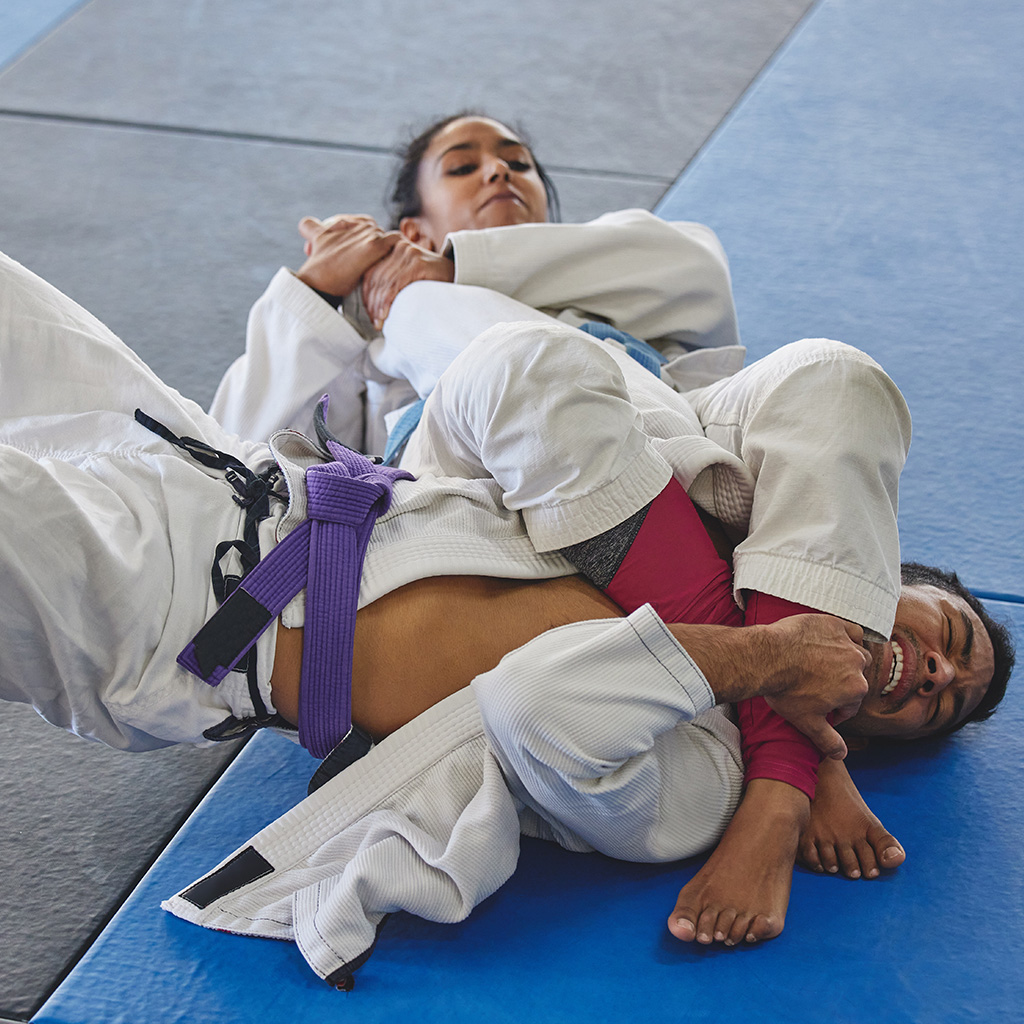



In the world of Brazilian Jiu-Jitsu (BJJ), discipline begins before the first grip, the first roll, or the first tap. It begins with preparation—and preparation requires proper equipment.
Whether one is a white belt stepping into their first dojo or a seasoned grappler preparing for competition, having the right gear is more than a matter of convenience. It’s about safety, respect, performance, and tradition.
A well-equipped practitioner not only protects themselves and others—they embody the spirit of the art itself.
🥋 The Gi: The Uniform of Tradition
The cornerstone of every BJJ practitioner’s wardrobe is the Gi—the traditional uniform worn in most academies. It is the armor of the art, steeped in history, and designed to endure the demands of grappling.
A proper Gi includes a durable jacket and pants, typically made of thick cotton or cotton-blend weaves, and a belt that indicates the rank and experience level of the student.
✂️ Fit and Function
The Gi should fit snugly, yet allow full range of motion. Sleeves should end no more than a fist’s width from the wrist, and the pants should fall just above the ankle. This ensures that opponents can grip properly for control and scoring.
🎨 Color and Care
While white is traditional, blue, black, and other darker colors are often preferred for their ability to hide stains and maintain appearance. Always check with your school’s dress code policy. Regardless of color, the Gi must be kept clean and free from tears or fraying.
🧤 Sparring Gear: Protecting the Body and the Brotherhood
BJJ is a full-contact sport. Though it emphasizes technique over brute force, injury can occur. To reduce risk during sparring or drills, practitioners should use the following equipment:
🔹 Grappling Gloves
These gloves can be open-palm or closed-palm, and must contain no metal or hard plastic. They should have at least ½ inch of foam padding and be approved by the instructor or competition officials.
🔹 Foot Guards
Used in some settings, foot protectors can help cushion kicks or instep impacts. Less common in traditional BJJ, they may appear in MMA or hybrid classes.
🧢 Additional Protective Gear
- Men: A groin cup is highly recommended during sparring.
- Women: A supportive sports bra is essential under the Gi to ensure modesty and comfort during training.
🥊 Training Equipment for Off-the-Mat Conditioning
For strength, endurance, and technical drilling, serious students may also invest in:
- Heavy bags (100+ lbs) for takedown practice and grip work
- Grappling dummies for solo training on transitions and submissions
📓 The Notebook: A True Student’s Weapon
Every committed practitioner should maintain a BJJ journal. Writing down techniques, sparring reflections, and lesson notes enhances retention and documents growth over time.
💸 Investing in Your Journey
Initial gear may cost $100–300, depending on quality and quantity. But proper investment ensures long-term safety, performance, and professionalism. A well-cared-for Gi can last years. A mouthguard should be replaced every 6 months. Replace gear as it wears out—don’t wait until it fails mid-roll.
🧼 Maintenance and Cleanliness
Clean gear is non-negotiable. Practitioners must:
- Wash their Gi after every session
- Disinfect gloves, pads, and headgear regularly
- Air-dry or sanitize all equipment
- Keep mouthguards clean and replace them as needed
Gear left damp in a gym bag becomes a breeding ground for bacteria. Clean gear keeps you safe, and shows respect for your training partners.
🔁 Replacing Gear: When and Why
Equipment should be replaced as it wears out. Stitching unravels. Foam flattens. Fabric tears. These issues compromise safety. Students should inspect their gear regularly and replace it before it becomes a liability.
🔓 Equipment Is Not Enough
The finest gear cannot replace discipline, focus, or humility. A student may wear the newest Gi and the strongest mouthguard, but unless they train with consistency and respect, their progress will stall.
BJJ reveals character through repetition and struggle. Equipment is the support system—not the answer.
🧘 The Mental Equipment
Equally important is the internal mindset—the discipline to show up, the patience to learn, and the humility to improve. That is the true armor of a martial artist.
🥇 Final Thoughts: Honor the Art Through Preparation
BJJ does not allow shortcuts. The right gear won’t make you invincible—but it will protect your journey. When a student steps onto the mat prepared, clean, and focused, they honor themselves, their instructors, and the art of Jiu-Jitsu itself.
Train smart. Gear up right. Discipline begins before the first roll.
OSS.